

He told me he'd torn a muscle in his shoulder.
Mid fifties. Out the back chopping down a tree. Then the shoulder pain hit, heavy and sudden, and he came in sure he'd pulled something. It was a clean story. It fit. Everything he said lined up.
And everything in me said no.
His colour was off. He was sweaty. Shaking a little. Nothing about the man in front of me matched the story he was telling me. I couldn't have written you a report on why. I just knew something was wrong.
He walked in thinking he'd hurt his shoulder. He nearly didn't walk out at all.
Here's the question I keep coming back to. How do you program a gut feel?
Because that read, the one that saw past what the man told me, didn't come from a checklist. It came from years of standing in front of frightened people and learning what ‘something's not right’ looks like. It is pattern recognition built from thousands of real moments, in real rooms, with real human beings.
And I think that's the conversation we're not quite having about AI at work.
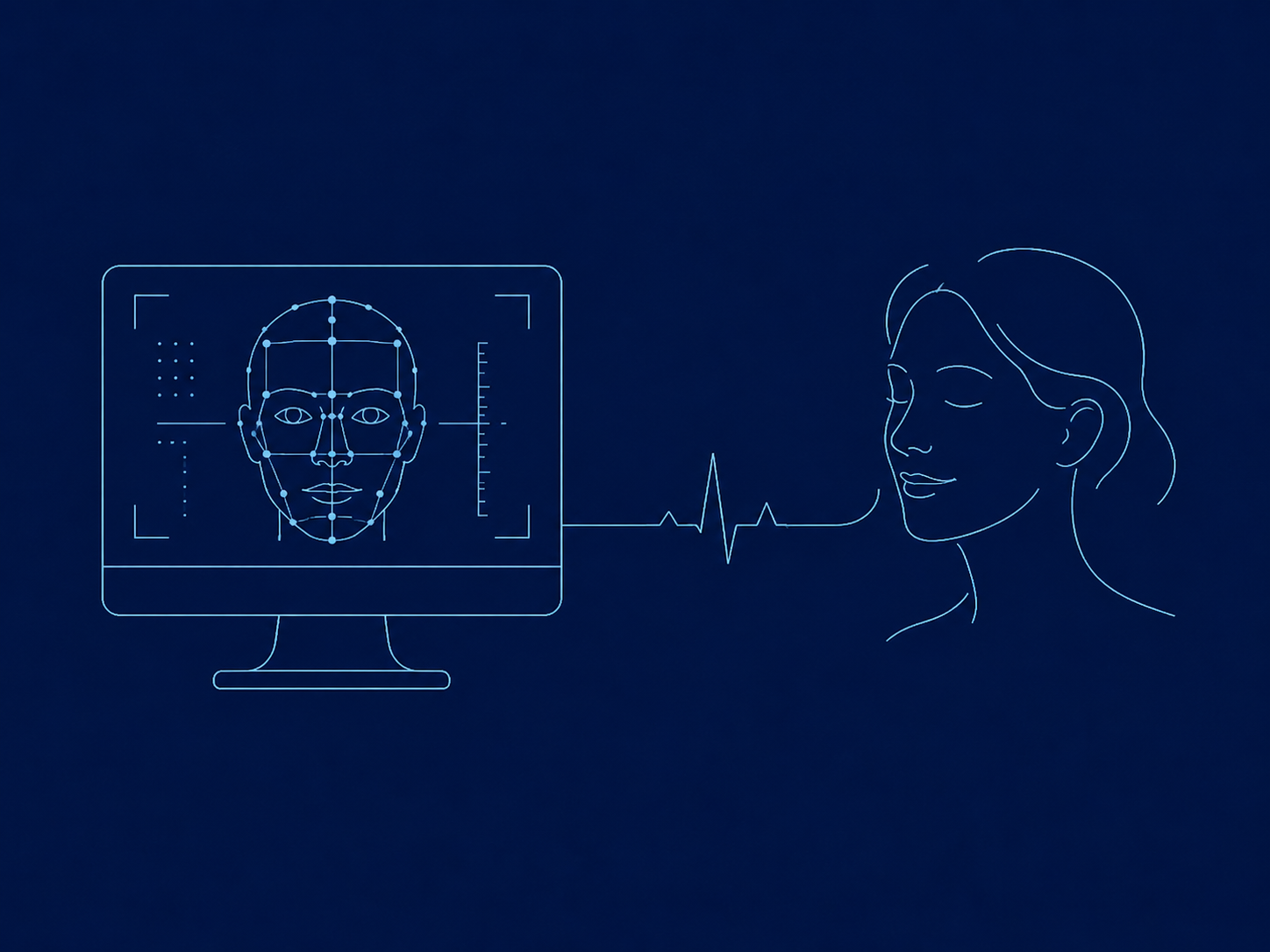
We're all a bit swept up in what it can do. And it can do a lot. I use it myself, every week, and I'll come back to that. But somewhere in the rush, we started asking the wrong question. We keep asking ‘what can AI do?’ when the better question is ‘what should it never do?’
Because a team is not a spreadsheet.
I see it when I run workshops. A leader will tell me their engagement scores are fine. The dashboard says the team is fine. Then I sit in the room with that team, and I watch what happens when the manager walks in. The energy shifts. Shoulders drop. Someone who was mid-sentence stops talking.
No survey catches that. No dashboard tells you the moment a person decided it wasn't safe to speak.
This is what Amy Edmondson has spent her career at Harvard studying. She calls it psychological safety. The felt sense that you can speak up, admit a mistake, ask the hard question, without being made to feel small for it. Her research shows it is the single biggest predictor of team performance. Not skill. Not talent. Safety.
Can a leader learn to read that? Yes. It's the same muscle I built in the emergency department, just pointed at a different room.
Now, the part I promised to come back to.
I'm not anti AI. Not even close.
I use it constantly. It helps me shape ideas, tighten my writing, and get the boring admin off my plate in half the time. And that's the point I actually want to make. Used well, AI doesn't pull you away from your people. It gives you back the time to be with them.
So the real question isn't AI or your team. It's this. What are you doing with the time it gives you back?
Because you can use it to move faster and vanish further into your screen. Or you can use it to be more present than you've been in years.
And that's where I get worried. Right now, a lot of us are choosing the screen.

This isn't just my workplace. It's everywhere. Somewhere along the way we decided the online meeting was good enough. Cameras off. Twelve names in a list. A conversation about targets with people you haven't seen in three months.
Before all this, we sat in a room together. We had the hallway chat. Someone bought the coffees. You built something with the people beside you, even if you never named it. I wrote a whole piece on what we lose when efficiency replaces connection. That's not a small loss. Morale lives in those little moments. So does culture. A workplace becomes somewhere worth being because of them. Move everyone behind a screen, and that's the first thing to go.
Here's the part I've watched with my own eyes. When a team goes through something hard together, in the same room, it bonds them. The brutal shift you got through side by side. The mess you cleaned up together. That shared experience is the glue. And you cannot manufacture it through a screen.
About those targets.
I know the pushback, because I hear it often. ‘That's all lovely, Dan, but I've got targets to hit. I don't have time for the soft stuff.’
Fair enough. So let's talk about the targets.
Push your people too hard this quarter and you might hit your numbers. Good. But if you burned their trust to do it, if they've started to resent you, what happens next quarter? Are they going to go the extra mile? Are they going to tell you when something is going wrong? Or are they going to start looking for the exit?
Now flip it. Meet people where they actually are. Understand what's going on for them. Help them reach the goal instead of dragging them to it. The output gets better, not worse. I saw this on every shift I ever ran.
The soft stuff isn't soft. It's the long game. It takes a genuinely good leader to slow down and make sure their team is okay. And it pays you back with interest.
Key takeaways
- AI is a powerful tool — use it to free up time, not to replace human presence
- No survey or dashboard will ever tell you the moment someone decided it wasn't safe to speak
- Psychological safety is the single biggest predictor of team performance — and it's a human skill to build
- The soft stuff isn't soft. It's the long game, and it pays back with interest
- The question isn't 'AI or your team?' — it's 'what will you do with the time it gives you back?'
None of this is complicated. It's small.
Someone has a shocking day and they're walking out flat, deflated, done. A hand on the shoulder and a quiet ‘good job today.’ That's it. And it changes everything for them. It tells them you saw what they put in. It tells them the work mattered.
There's no app for that. No robotic hand lands the same way. The little deposits, the coffee, the check in, the word that lifts the room, they're yours to make. They're the whole account.
So if you want to protect the human part while still using every tool you've got, here's something small to try on Monday.
Start the week with your team, in the same room if you can. Set the expectations early, so everyone knows what a good week looks like. But while you're there, read the room. How are they, really? If there's someone who doesn't look right, check in with them before the day takes over. That is leadership. That is the thing no machine will ever replace.
That's the whole thing, really. AI can do more than we ever imagined, and it's going to do more still. Let it. Let it take the busywork and hand you back your time.
But don't let it be the one who reads your team. Don't let it be the one who builds the trust. That was always the human's job. And even as the tools get sharper, that part should stay ours.
Make human skills matter.
If that's the kind of leadership you're trying to build, come and build it alongside people who care about the same thing.
I run a free community called Make Human Skills Matter. No pitch, no noise. Just a group of people who want to do this better.
Join the Make Human Skills Matter community