A manager once rang me on the floor to tell my team we were not moving fast enough.
I was standing in the middle of an emergency department, running three or four plans at once, and every one of them was falling over. Ambulances were ramped outside. The voice on the phone was sitting somewhere I could not see, and it had one message. The number was not good enough.
They did not ask what was happening. They assumed.
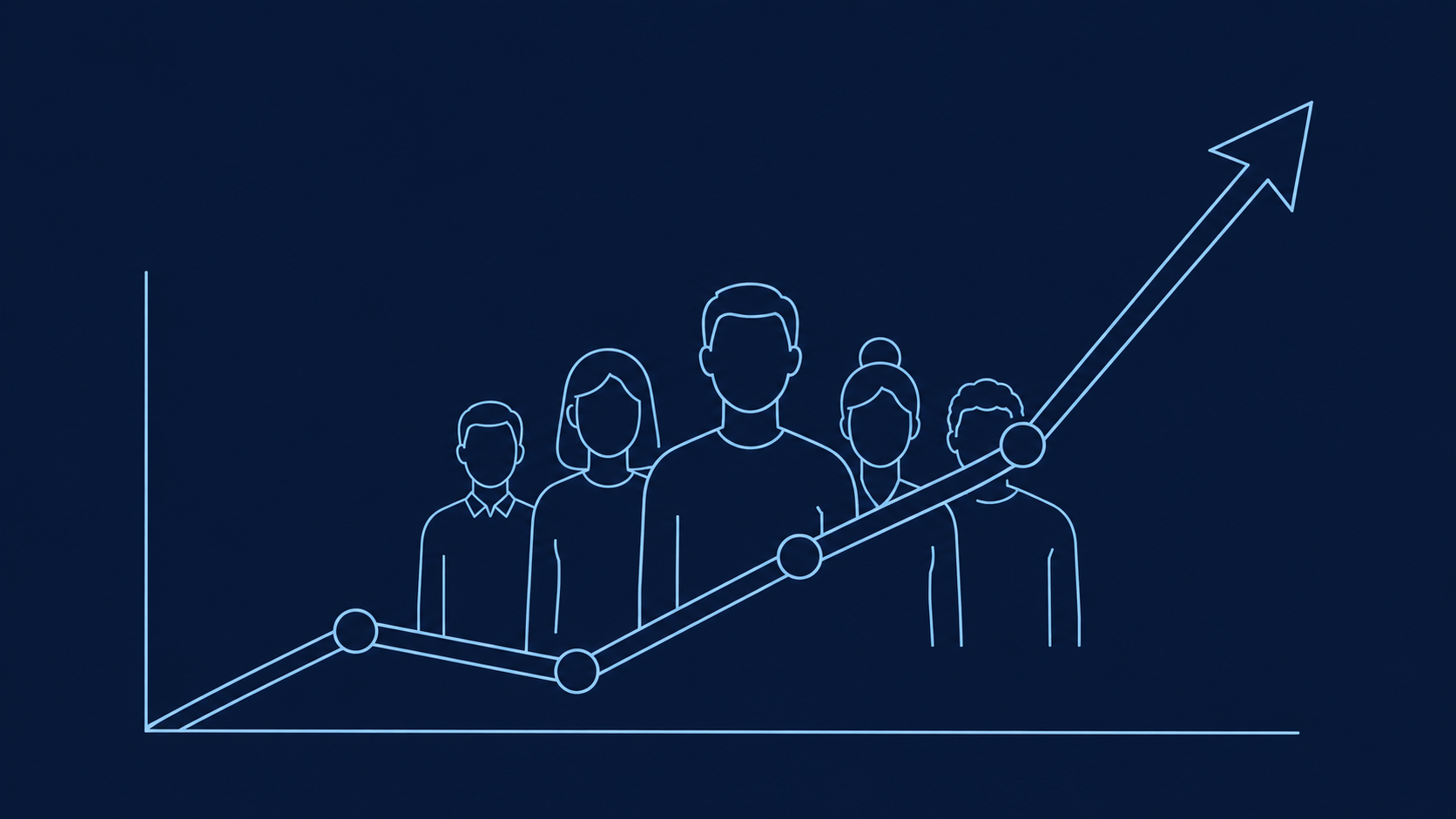
That is what prioritising output over people looks like in real time. A leader watching a metric instead of watching their team. And it is quietly costing Australian organisations far more than most of them realise.
I have spent over a decade in emergency nursing. I now train teams across healthcare, aged care, childcare, trades and allied health. Different rooms, same pattern. The tighter the pressure on the numbers, the more leaders manage from a distance, and the further they drift from the people doing the work.
Here is what that distance does. And here is what the leaders who get it right do instead.
Does forcing people back to the office fix this?
Not on its own.
The return to office debate has been framed as a fight over desks. It is really a question about proximity to reality.
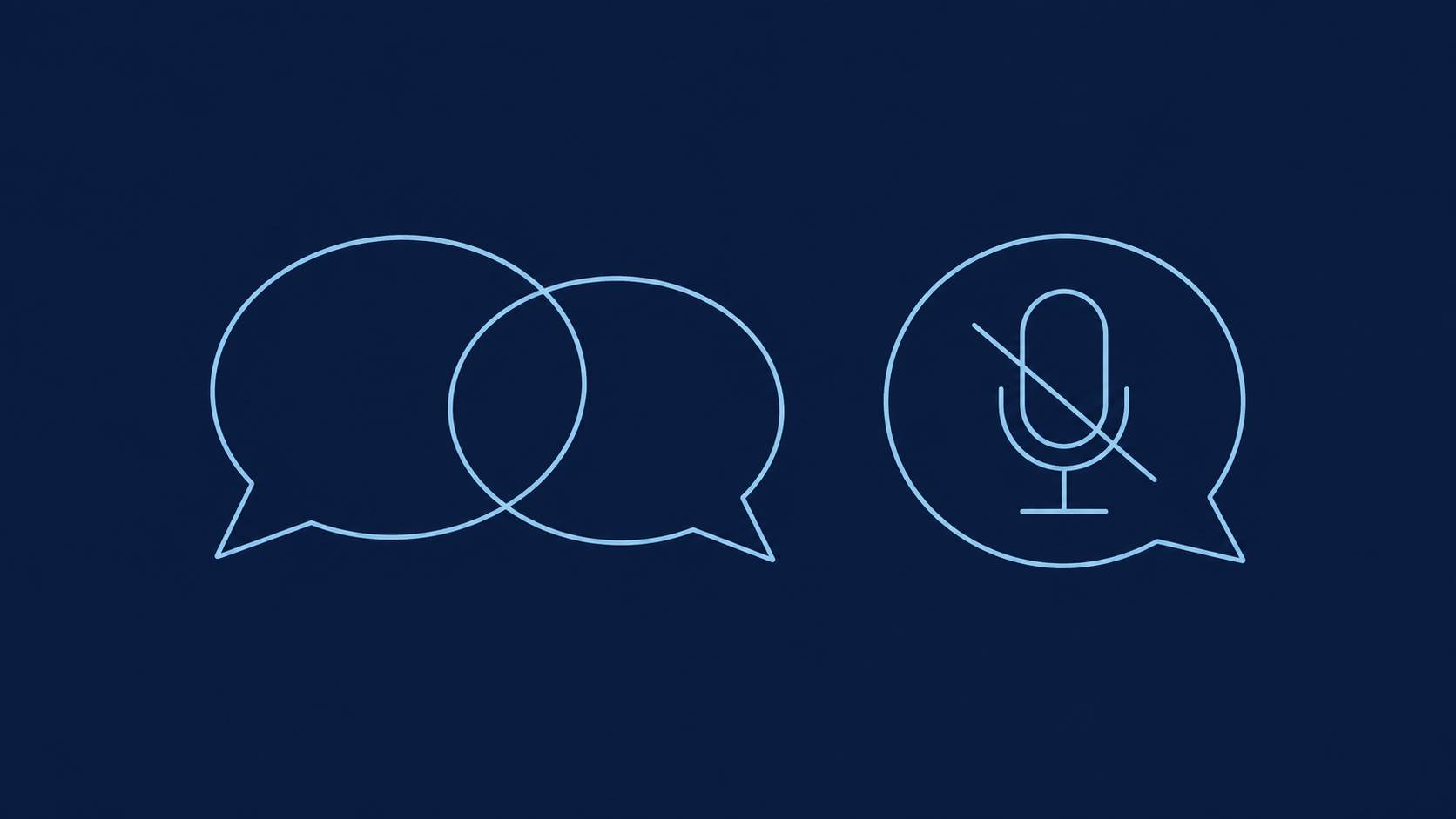
Think about how a conversation works in a room. Someone floats an idea. Someone else builds on it. A third person adds the thing nobody had considered. The idea grows because people can respond in real time.
Now think about the same conversation online. You can only say one thing at a time. You wait your turn. And you can be muted with a single click. The natural back and forth that sharpens an idea just disappears.
So yes, presence matters. But not because a desk is magic. It matters because presence is how you stay close to what is happening.
That does not mean everyone back in, five days a week. Remote work gives people real things. Time back from the commute. A proper lunch instead of something eaten at a red light. A twenty-minute walk before the day starts. Many people do more focused work at home and feel better for it.
The problem was never where people sit. The problem is leading by assumption instead of leading by presence.
Are unrealistic KPIs a psychosocial hazard?
They can be. And in Victoria, that is no longer just a wellbeing conversation.
Since 1 December 2025, Victoria's Occupational Health and Safety (Psychological Health) Regulations have been in force. We are now months into them, not waiting for them. They place a clear duty on employers to identify and manage psychosocial hazards; the same way they manage physical ones.
I want to be careful here. I am a human skills specialist, not a lawyer. For the legal detail, WorkSafe Victoria is the source to read, and I would send any leader there directly.
But you do not need a law degree to see the risk. Unrealistic job demands. Low control over your own work. Poor support from managers who watch a screen instead of asking a question. These are recognised psychosocial hazards. The remote manager ringing to say you are not fast enough, without ever asking why, is not just poor leadership anymore. It sits squarely in the territory the regulations ask organisations to actively manage and document.
The soft stuff has teeth now.
What does managing by numbers cost?
More than the numbers you are chasing. The evidence is not comfortable.
Start local. According to Safe Work Australia, mental health conditions now make up around nine per cent of serious workers compensation claims, and the volume has jumped by nearly thirty-seven per cent. Each of those claims costs an employer somewhere between forty-five and sixty-five thousand dollars, roughly five times the cost of a physical injury claim. In a single recent year, direct compensation costs for mental health claims reached around 1.2 billion dollars, a level some analysts did not expect to see until 2030.
Now the upside, because this is not only about risk. Decades of psychological safety research, led by Harvard's Amy Edmondson, show that teams who feel safe to speak up learn faster, adapt faster and perform better. Google's own large internal study found that teams with high psychological safety were rated effective twice as often, brought in more revenue and lost fewer people.
And the scale of the miss is enormous. Gallup's global workplace research puts the cost of disengaged employees at close to ten trillion dollars in lost productivity, around nine per cent of global GDP, with engagement sitting at record lows.
What do the best leaders do instead?
They swap assumption for presence, and they swap monologue for curiosity.
When everything is going wrong, the most useful thing a leader can do is not send another message. It is to get off the chair and say, I am here, point me where you need me. Or to have the harder conversation upward that the frontline cannot have on their own.
The opposite of that is the response every frontline worker has heard. You escalate a real problem, and someone replies, it is in the other group chat. That is not help. That is passing the problem sideways, so it becomes someone else's. Nothing gets solved, and the person doing the work quietly learns that speaking up leads nowhere.
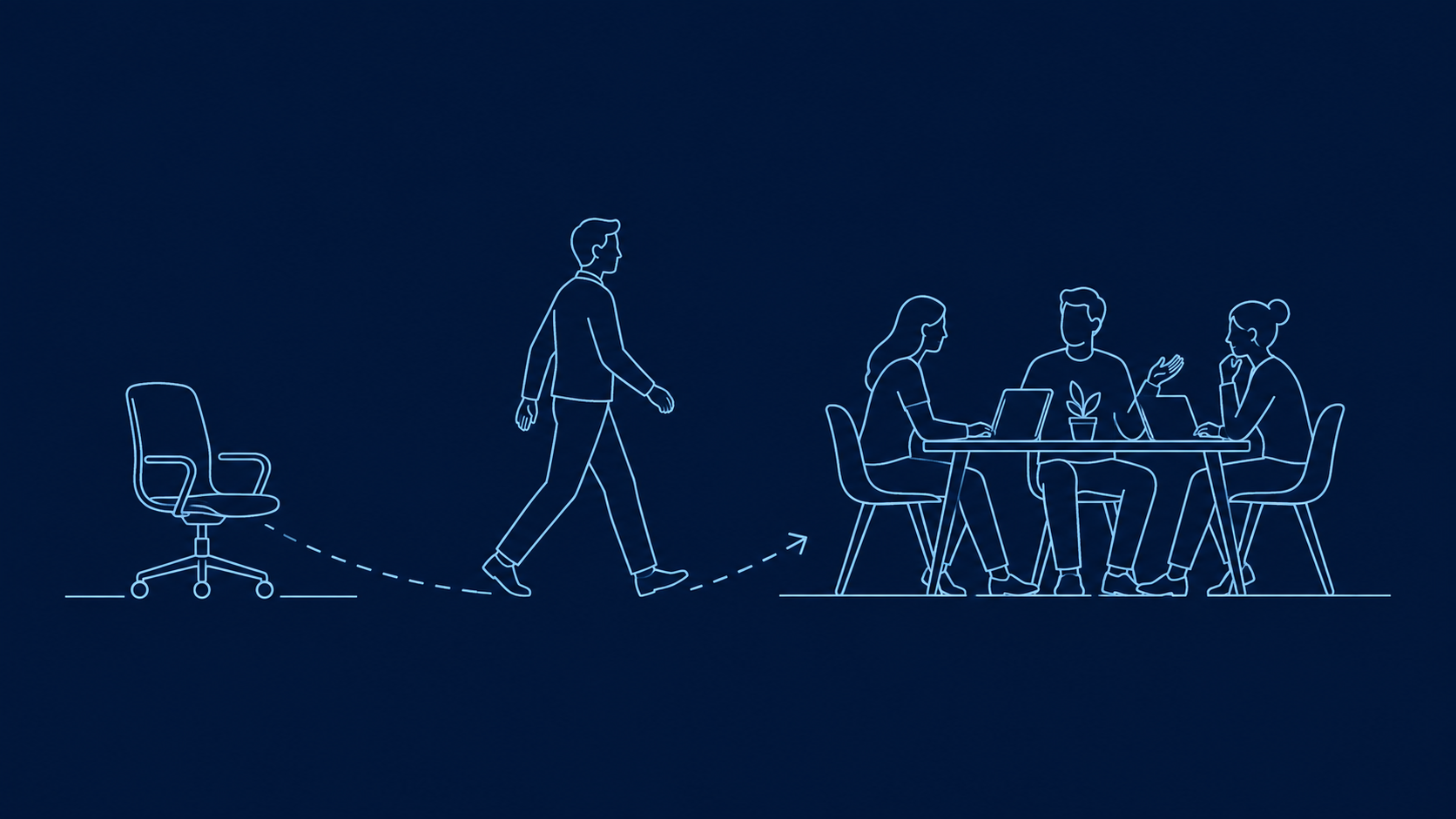
Here is what presence looks like when it works. I once needed extra staff for a project that involved moving patients around during an infrastructure upgrade. It started as a back and forth of emails with another manager, and we were getting nowhere. So I booked thirty minutes face to face.
We got more done in that half hour than a week of emails had managed. We built on each other's points as we went, the thing you simply cannot do over a muted line. We sorted the funding, the cost centres and a rough roster, then sent one clear email out to the team so everyone could see the plan.
That is the whole difference. Assumption divides. Curiosity, asked in the room, builds.
None of this is complicated. Ask what is happening before you decide what is happening. Create a dialogue instead of delivering a verdict. Be present, in person or on a call, in a way your people can feel.
This is not just a healthcare problem
I tell these stories from a hospital because that is my floor. But the pattern lives everywhere.
Picture a childcare lead judged on ratios and occupancy from a head office, never seeing the room where an educator is holding it together with two kids in tears. Picture a site manager who rates a crew purely on what got finished, never asking about the three things that went wrong before smoko. Picture an employment services team measured on placements while nobody asks what the numbers are doing to the people hitting them.
Same disease. Different symptoms. The leader sees a metric. The team lives a reality. And the gap between the two is where good people quietly start to leave.
Look after your people first
Richard Branson put it simply. Look after your people, and your people will look after the business.
The reverse is just as true. Make the KPI the only thing that matters, and your people do not walk out in protest. They stay, and they quietly stop trying. You keep the headcount and lose the discretionary effort, and the numbers slide anyway.
You might have one soft quarter while you put people first. But over months, when people feel safe to speak up and conversations start going in better directions, the output climbs. The KPIs tend to sort themselves out, once the people chasing them feel seen.
So here is the question worth sitting with this week. When your team is under pressure, are you getting closer to what is happening, or are you managing the number from a safe distance?
Frequently asked questions
Is prioritising output over people against the law in Victoria?
Not in those words. But since 1 December 2025, Victorian employers have a duty to identify and manage psychosocial hazards under the state's OHS psychological health regulations. Practices like unrealistic demands and poor manager support can fall within that duty. For the legal detail, read WorkSafe Victoria directly.
Are unrealistic KPIs a psychosocial hazard?
They can be. Excessive job demands, low control and poor support are all recognised psychosocial hazards. A KPI is not the problem. A target that ignores the reality of the work, enforced without support, is.
Is remote work bad for team performance?
No. Remote work has real benefits, from time saved commuting to more focused work. The risk is not location. It is leading by assumption when you cannot see the room, rather than staying genuinely connected to your team.
How do you manage KPIs without putting numbers before people?
Ask what is happening before you decide what is happening. Stay close enough to see the reality behind the metric. Support the people first and let the numbers follow, rather than the other way around.
What is the business case for looking after your people?
Mental health claims cost employers tens of thousands each and run into the billions nationally. Teams that feel safe perform better, innovate more and stay longer. Looking after people is not a cost. It is how the numbers hold up over time.
Related reading
- They Should Know This by Now. But Were They Ever Taught? — setting clear expectations for employees
- AI Can Write the Email — but why conflict is still a human skill
- Psychological Safety at Work: Why We Train for First Aid but Ignore Daily Conversations
- Is Efficiency Costing Us Our Connection? A Closer Look at MS Teams Chat
- When to Manage, When to Lead: Why Leaders Get Stuck in the Wrong Mode
- The Moment Before You React Is Where Your Leadership Lives
- Human Skills Training for Melbourne Businesses & Corporate Teams